A recliner can feel comfortable at first but leave you sinking into the seat or searching for lower-back support. The right cushion depends on which problem you’re trying to solve.
These 10 picks include seat boosters, lumbar pillows, and seat-and-back sets. Use the guide below to narrow your options by fit, firmness, and ease of getting up.
Best 10 Orthopedic Cushion for Recliner Picks for 2026
Back Support Pick
Dual-Layer Lumbar Pillow for Recliners
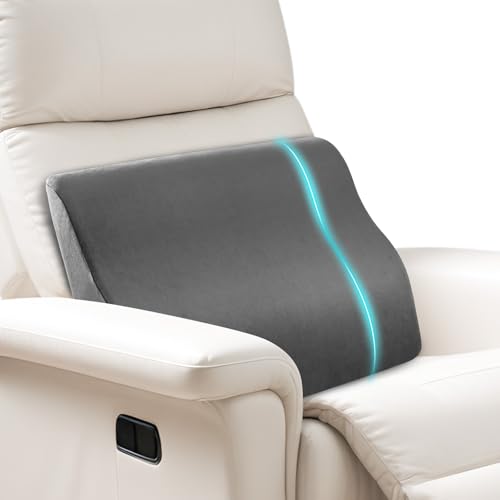
- Fits 21–22.5-inch inside back widths
- Contoured dual-layer foam
- Washable velvet cover
Best For: Lower-back support without added seat height
Seat-Raising Pick
HAVARGO Tufted Recliner Booster

- 20-by-20-inch seat footprint
- Designed to add about 3–4 inches of height
- Non-slip base and washable cover
Best For: Extra seat height and softer sitting
Seat-and-Back Pick

- Connecting seat and lumbar pads
- Tailbone-area seat cutout
- Non-slip bases and washable covers
Best For: Combined seat and lumbar support
Sagging-Seat Pick

- 20-by-20-by-5-inch cushion
- Soft top over supportive foam
- Non-slip base and washable cover
Best For: Adding thickness to a sagging recliner seat
Best for Lower-Back Support

- 5-inch profile fills recliner back gaps
- 20-inch width offers broad lumbar coverage
- Straps and washable cover add practicality
Best For: Recliners with an uncomfortable lower-back gap
Best Seat Booster
HAVARGO Dual-Layer Recliner Cushion

- Designed to raise seating about 3–4 inches
- Supportive base with softer shredded-foam top
- Non-slip bottom and washable cover
Best For: Adding height to a low recliner seat
Best Plush Seat Pad
HOMBYS Tufted Recliner Cushion

- 3-inch foam adds cushioning and some height
- Curved edges avoid extra thigh pressure
- Non-slip backing; washable cover
Best For: A softer recliner seat with modest added height
Back-Only Support
Tanyoo Dual-Layer Lumbar Pillow

- Gel-infused memory foam over dense support foam
- 20 x 16.5-inch recliner-sized back pillow
- Machine-washable removable cover
Best For: Adding lumbar support without changing seat height
Brown Seat-and-Back Set

- 20 x 20 x 5-inch dual-layer seat cushion
- Separate high-density foam lumbar pillow
- Silicone non-slip seat base
Best For: Adding seat height and lumbar support in a brown set
Soft Grey Set
baibu Recliner Cushion with Lumbar Pillow

- Soft-rated, 20 x 20 x 5-inch seat cushion
- Separate 20 x 15-inch lumbar pillow
- Silicone non-slip base and removable seat cover
Best For: A soft-rated grey seat-and-back set
Back Support Pick – Dual-Layer Lumbar Pillow for Recliners
If your seat is comfortable but your lower back needs more support, this orthopedic cushion for recliner use focuses on the backrest rather than the seat. Its contoured, dual-layer foam combines a softer gel memory foam layer with firmer support underneath.
Best For: Recliner owners who want lower-back support without raising their seat height.
Pros:
- Designed for recliners with an inside back width of 21–22.5 inches.
- Non-slip base helps keep the pillow in place.
- Removable velvet cover is machine-washable.
Cons:
- Not recommended for chairs under 21 inches wide.
- Does not add seat padding or height.
Measure the inside width of your recliner back before ordering. For a compatible chair, this is a focused way to add back support without changing the seat.
Seat-Raising Pick – HAVARGO Tufted Recliner Booster
For shoppers seeking an orthopedic cushion for recliner seating that also makes standing up easier, this 20-by-20-by-5-inch HAVARGO pad is a seat booster. Its dual-layer design pairs a soft shredded-memory-foam top with supportive foam below and is intended to raise the sitting position by about 3–4 inches.
Best For: People who want a softer recliner seat with added height for getting up.
Pros:
- Five-inch dual-layer construction combines cushioning and support.
- Silicone-particle non-slip bottom helps limit shifting.
- Removable cover can be machine-washed on low.
Cons:
- Raises the seat, which may not suit every user’s preferred sitting height.
- Requires cover assembly and about 24 hours for the compressed foam to expand.
This is the stronger match when seat height matters more than back support. Check that its 20-inch-square footprint fits your recliner before buying.
Seat-and-Back Pick – Cutout Cushion and Lumbar Set
This orthopedic cushion for recliner use includes both a cutout seat pad and a lumbar pad that connect by zipper. The cutout is designed to reduce pressure around the tailbone, while the separate back pad adds support for longer sitting sessions.
Best For: Shoppers who want coordinated seat and lumbar cushioning, especially a tailbone-area cutout.
Pros:
- Includes a 20-by-16.5-by-4-inch seat pad and a 17-by-10.6-by-4-inch lumbar pad.
- High-density memory foam is designed for firm, lasting support.
- Both pads have non-slip bases and removable, machine-washable covers.
Cons:
- Needs 48–72 hours to fully expand after unpacking.
- The cutout seat shape may not appeal to those who prefer an uninterrupted sitting surface.
Choose this set if you want one purchase to address both seat and lower-back cushioning. Compare the stated pad dimensions with your recliner before ordering.
Sagging-Seat Pick – Dual-Layer Recliner Booster
A sagging recliner seat can benefit from extra padding and height. This orthopedic cushion for recliner seating measures 20 by 20 by 5 inches and combines a plush shredded-memory-foam top with a solid high-density foam base to help support sitting and getting up.
Best For: Recliners with sagging seats that need a thicker, more supportive cushion.
Pros:
- Dual-layer fill balances a soft top with a supportive foam base.
- Textured silicone-dot bottom helps prevent sliding.
- Zippered cover is removable and washable by hand or machine in cold water.
Cons:
- Allow 24–48 hours for the vacuum-packed padding to expand before use.
- Five-inch thickness noticeably changes the seat setup.
This is a practical option when an existing recliner seat needs a substantial boost, not just a thin comfort layer. Confirm that the 20-inch-square cushion will sit properly on your chair.
Best for Lower-Back Support – HOMBYS Recliner Lumbar Pillow
If your recliner leaves a gap behind your lower back, this orthopedic cushion for recliner use is designed to fill it. The HOMBYS pillow measures 20 x 13.5 x 5 inches and uses contoured memory foam for broad back and waist support.
Best For: Recliner users who need a thick, secured lumbar cushion rather than a seat booster.
Pros:
- Five-inch profile helps fill the space between the lower back and recliner.
- Adjustable straps help limit shifting as you change positions.
- Removable, machine-washable cover makes upkeep straightforward.
Cons:
- Supports the back, not the seat or thighs.
- Compressed foam needs 24–48 hours to expand after unpacking.
Choose this one when the main problem is an unsupported lower back; if getting up from a low seat is the priority, a seat-raising cushion is a better match.
Best Seat Booster – HAVARGO Dual-Layer Recliner Cushion
For shoppers seeking an orthopedic cushion for recliner seating that also adds height, the HAVARGO combines a supportive foam base with a softer, shredded-memory-foam top. Its 20 x 20 x 5-inch design is intended to raise the seated position by about 3–4 inches, which may make standing up easier.
Best For: People who want a substantial seat-height boost with a softer top layer.
Pros:
- Dual-layer design pairs a 2.5-inch supportive base with 2.5 inches of soft cushioning.
- Non-slip bottom helps keep the cushion in place.
- Removable cover can be machine-washed on low.
Cons:
- The added height may not suit an already-high recliner.
- Requires inserting the foam into its cover and allowing about 24 hours for expansion.
This is the most height-focused option of the three. Check your recliner’s seat dimensions and the resulting seat height before choosing a five-inch-thick booster.
Best Plush Seat Pad – HOMBYS Tufted Recliner Cushion
If you want an orthopedic cushion for recliner seating without the bulk of a five-inch booster, this HOMBYS pad offers a 3-inch foam core and a plush tufted cover. The supplied 20 x 20-inch size has curved front edges designed to avoid extra pressure on the thighs.
Best For: Recliner users seeking a softer seat surface with a modest height increase.
Pros:
- Curved edges are designed to reduce pressure against the thighs.
- Non-slip backing requires no straps or installation.
- Removable cover is machine-washable.
Cons:
- Three-inch thickness provides less height than a five-inch booster.
- Does not provide dedicated lumbar support.
This is a practical pick when seat comfort matters more than maximum lift. Measure the seating area first to make sure the 20 x 20-inch cushion fits your recliner.
Back-Only Support – Tanyoo Dual-Layer Lumbar Pillow
If you need an orthopedic cushion for recliner back support rather than extra seat height, this Tanyoo pillow is the back-only option. Its gel-infused memory foam top layer sits over denser support foam, and its 20 x 16.5-inch face is sized for a recliner, armchair, or sofa.
Best For: Recliner users who want a medium-firm lumbar pillow without adding a seat cushion.
Pros:
- Dual-layer foam combines a softer gel-infused surface with a supportive base.
- Contoured design follows the natural curve of the lower back.
- Removable polyester cover is machine washable.
Cons:
- Does not cushion the seat or raise sitting height.
- May be oversized for a standard dining chair.
- Needs 24–48 hours to fully expand after unpacking.
Choose this one when your recliner seat already feels comfortable but the backrest needs more structure. Check the chair’s back dimensions before ordering.
For shoppers seeking an orthopedic cushion for recliner seating and back support together, this brown baibu set pairs a 20 x 20 x 5-inch seat cushion with a separate lumbar pillow. The seat layers memory foam over high-density foam, while the pillow uses high-density foam for back support.
Best For: Adults who want added seat height and a separate lumbar pillow for a recliner, armchair, or sofa.
Pros:
- Five-inch-thick seat cushion adds height that may make standing up easier.
- Silicone non-slip base helps keep the seat cushion in place.
- Separate 20 x 15 x 4.5-inch lumbar pillow can be positioned as needed.
- Removable seat cover can be gently machine washed in a laundry bag.
Cons:
- The foam itself is not machine washable.
- Allow up to 48 hours for the compressed cushion to regain its shape.
This is the more complete choice if both the seat and backrest need attention. Measure your recliner seat first: the cushion’s five-inch thickness will noticeably change your sitting height.
This dark grey baibu option is an orthopedic cushion for recliner shoppers who want both a seat pad and a lumbar pillow in a softer-rated set. Its 20 x 20 x 5-inch seat combines memory foam with high-density foam, and the included back pillow measures 20 x 15 x 4.5 inches.
Best For: Adults seeking a soft-rated grey recliner seat cushion with a separate back pillow.
Pros:
- Five-inch seat thickness adds height to the recliner.
- Silicone non-slip bottom helps the seat pad stay put.
- Includes a separate high-density foam lumbar pillow.
- Removable seat cover can be gently machine washed in a laundry bag.
Cons:
- Foam components cannot be machine washed.
- Compressed packaging may leave the cushion flattened or creased until it expands, which can take up to 48 hours.
Pick this version if its dark grey color and listed soft firmness suit your setup. As with any thick seat pad, confirm that its 20-inch-square footprint fits your chair before buying.
How We Picked the Best Orthopedic Cushion for Recliner
We organized the selected cushions by the support they are designed to provide: seat height, lower-back support, or both. We also considered listed dimensions, cushion construction, and practical features such as non-slip surfaces and covers. Product descriptions alone cannot establish how a cushion will feel in your recliner, so measure your chair and check current specifications before buying.
Quick Comparison: Which Cushion Type Fits Your Needs?
Seat boosters raise the sitting surface and may make standing up easier, especially if a recliner seat has sagged. Lumbar pillows fill space behind the lower back without substantially changing seat height. Seat-and-lumbar sets address both areas, but take up more room and may change how deeply you sit. A thick, tufted cushion may feel softer than a structured memory-foam option; the better choice depends on your preference and the space available.
Key Buying Factors for an Orthopedic Cushion for Recliner
Measure the Seat and Backrest
Measure the usable seat width and depth between the arms, not just the recliner’s outside dimensions. Several listed seat cushions are approximately 20 by 20 by 5 inches, but check each listing and allow for curved seat edges. For a lumbar pillow, compare its width and thickness with the backrest and your natural sitting position. An oversized pillow can push you too far forward.
Choose Height and Firmness Carefully
A five-inch cushion can noticeably raise your hips. Before choosing a booster, consider whether your feet will still rest comfortably on the floor and whether the armrests remain useful. Memory foam may contour around your body; tufted or layered designs can feel different and may compress over time. If you can, check return terms in case the height or firmness does not work for you.
Check Stability and Maintenance
A cushion that slides while you recline or stand can be frustrating. Look for a non-slip base or other way to keep it positioned, and confirm that it does not interfere with the footrest or reclining mechanism. If spills are a concern, verify whether the cover is removable and washable rather than assuming the whole cushion can go in the machine.
Who Should Buy Which Orthopedic Cushion for Recliner?
Choose a seat booster if your main issue is a low or sagging seat. Choose a lumbar pillow if seat height is fine but your lower back needs more contact with the chair. Consider a matching seat-and-back set if you want to adjust both at once, provided your recliner has room for the added thickness. For anyone with persistent pain or mobility concerns, a cushion is a comfort aid—not a substitute for individualized medical or ergonomic advice.