A handheld light device can be easier to position around a knee, wrist, or other joint than a large panel. But a red light therapy wand for joint pain is only worth considering if its light specifications, treatment area, and everyday usability suit your needs.
These 10 picks include compact torches, cordless wands, and devices with positioning accessories. Below, we focus on what to compare before buying—not promises of pain relief.
Best 10 Red Light Therapy Wand for Joint Pain Picks for 2026
Best Pocket-Size Torch
Lifepro LumiCure Red Light Therapy Torch

- 630nm, 660nm, and 850nm light
- Compact 4.9-inch handheld design
- Wrist strap and zippered case
Best For: Portable, targeted wellness sessions
Best Adjustable Controls
Morfone Wireless Red Light Wand

- Four brightness levels
- 5- to 20-minute adjustable timer
- 120+ minutes listed at mid-intensity
Best For: Customized, focused cordless sessions
Best Detachable Tip
Red and Near-Infrared Therapy Wand

- Detachable precision tip
- Continuous and 10Hz pulse modes
- USB-C charging and five-minute timer
Best For: Switching between small facial spots and body areas
Best Straightforward Pick
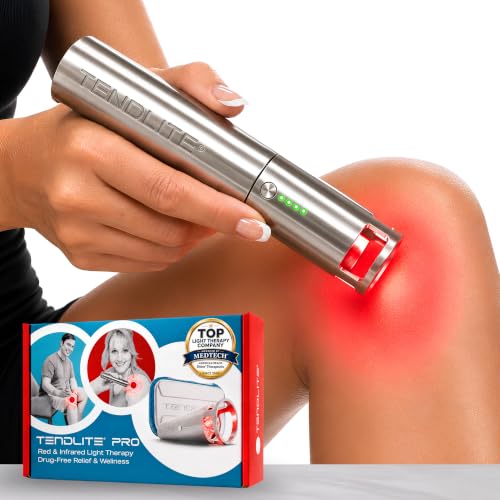
- Red and infrared LED light
- UV-free per supplied notes
- 7.13-inch handheld device
Best For: Simple portable use with specifications checked before buying
Flexible Session Pick

- Four power levels
- 5–20-minute timers
- 650 nm and 808 nm lights
Best For: Adjustable, targeted body-care sessions
People-and-Pets Pick
LifePro BioLux Portable Light Device

- For people and pets
- 6.4-ounce handheld design
- About 3–4 hours to charge
Best For: Shared human-and-pet wellness routines
Mode-Rich Pick
Lifiora Three-Wavelength Red Light Wand

- Five pulse-light modes
- 15–30-minute timers
- Goggles and charging accessories included
Best For: Customizable targeted routines for people or pets
Best Hands-Free Option

- 660nm red and 808nm near-infrared light
- Four levels; 5–30-minute timer
- Stand, goggles and USB-C cable included
Best For: Adjustable, hands-free home sessions
Most Versatile Light Mix

- Red, near-infrared and blue wavelengths
- Three modes plus pulse option
- Compact 4.7-inch design
Best For: Portable, varied self-care routines
Best Lightweight Pick

- Four levels and four timer presets
- Stated device weight of 0.48 pounds
- Rechargeable 2600mAh battery
Best For: Easy handling and simple preset sessions
Best Pocket-Size Torch – Lifepro LumiCure Red Light Therapy Torch
If you want a compact red light therapy wand for joint pain as part of a general wellness routine, the Lifepro LumiCure is easy to carry and aim at a specific area. Its handheld torch uses 630nm and 660nm red light alongside 850nm near-infrared light.
Best For: People who prioritize a small, portable device for short, targeted wellness sessions.
Pros:
- Three listed wavelengths: 630nm, 660nm, and 850nm.
- Lightweight 4.9-inch torch includes a wrist strap and zippered case.
- Simple one-button operation.
Cons:
- Small torch head is less convenient for covering broad areas.
- Not water-resistant.
The LumiCure makes the most sense when portability and straightforward controls matter more than wide-area coverage. Treat it as a wellness accessory, not a substitute for evaluating persistent joint pain.
Best Adjustable Controls – Morfone Wireless Red Light Wand
For shoppers comparing a red light therapy wand for joint pain, the Morfone stands out for its adjustable session settings rather than a one-size-fits-all control scheme. It pairs 650nm red LEDs with 808nm infrared diodes in a cordless handheld design.
Best For: Users who want to choose brightness and session length when targeting areas such as the wrist, neck, or back.
Pros:
- Four brightness levels and a timer adjustable in five-minute increments from 5 to 20 minutes.
- LED display makes settings easy to check.
- 3600mAh battery is listed for more than 120 minutes at mid-intensity.
- Includes protective goggles and a quick-start guide.
Cons:
- The small panel is better suited to focused spots than large areas.
- More settings to manage than a basic one-button torch.
Choose this model if control over intensity and timing is worth the extra setup. Its listed battery life also makes it a practical option away from an outlet, though the notes do not establish clinical pain-relief results.
Best Detachable Tip – Red and Near-Infrared Therapy Wand
This red light therapy wand for joint pain offers a useful choice between a narrow precision tip and a larger exposed light area. That makes it more adaptable for switching between small facial spots and areas such as wrists, knees, and ankles, although it is sold as a general comfort and skincare device.
Best For: Shoppers who want one cordless wand for focused facial use and targeted body wellness sessions.
Pros:
- Detachable tip changes the coverage area.
- Five LEDs provide 660nm red light plus 810nm, 850nm, and 940nm near-infrared wavelengths.
- One-button continuous and 10Hz pulse modes.
- USB-C charging, a five-minute auto-timer, and protective glasses are listed.
Cons:
- The automatic five-minute shutoff may interrupt longer sessions.
- Near-infrared wavelengths are largely invisible, so brightness alone does not show whether they are operating.
The interchangeable tip is the clearest reason to pick this wand over a fixed-head torch. Follow the supplied guidance on session duration and protective eyewear rather than assuming more exposure is better.
Best Straightforward Pick – TENDLITE Pro by Shine
The TENDLITE Pro is a handheld red and infrared LED option to consider when shopping for a red light therapy wand for joint pain. Its supplied description emphasizes at-home or on-the-go wellness use and states that the light does not use UV rays.
Best For: Buyers seeking a portable red-and-infrared device who are comfortable confirming technical details before purchase.
Pros:
- Combines red and infrared LED light.
- No UV rays, according to the supplied product information.
- Measures 7.13 by 1.25 by 1.25 inches and includes a lithium-ion battery.
Cons:
- Supplied notes do not specify wavelengths, timer options, or intensity settings.
- Joint-pain outcomes are not substantiated by the provided specifications.
This is a reasonable model to compare if you prefer a simple handheld format, but its sparse published details make it harder to assess against more fully specified wands. Check the current listing for the features that matter to your routine.
Flexible Session Pick – Holsn Handheld Red Light Wand
If you want a red light therapy wand for joint pain with adjustable sessions, this Holsn device offers four power levels and 5-, 10-, 15-, or 20-minute timers. Its compact handheld design is intended for targeted use on areas such as wrists, knees, and feet.
Best For: Shoppers who want control over session length and power for targeted body care.
Pros:
- Combines 14 visible 650 nm lights with three 808 nm infrared lights.
- Four power levels and four timer settings offer flexibility.
- Rechargeable, portable design suits use at home or while traveling.
Cons:
- Cannot be used while charging.
- Requires a continuous 2–3-hour charge before use, per the supplied instructions.
The settings make this a practical option if you prefer to tailor each session. Remember that the 808 nm light is invisible, so you should not expect every light source to appear illuminated.
People-and-Pets Pick – LifePro BioLux Portable Light Device
The LifePro BioLux is a portable red light therapy wand for joint pain shoppers who also want a device marketed for pet wellness routines. Its supplied description lists multiple light wavelengths and a lightweight, handheld format for use at home or on the go.
Best For: Households seeking one portable light device for both human and pet wellness routines.
Pros:
- Designed for use with both people and pets.
- Compact 7.87 x 2.36 x 1.81-inch body weighs 6.4 ounces.
- Rechargeable design supports use away from a wall outlet after charging.
Cons:
- First use requires inspecting the components and following the setup instructions.
- The stated initial charge takes approximately 3–4 hours.
- The supplied notes do not clearly identify all three wavelength values.
Its distinguishing feature is shared human-and-pet use, not a documented range of session controls. Check the manual for setup and handling before working it into a routine.
Mode-Rich Pick – Lifiora Three-Wavelength Red Light Wand
For shoppers comparing a red light therapy wand for joint pain, the Lifiora stands out for its listed 660 nm, 810 nm, and 1064 nm light options, five pulse-light modes, and four timer settings. It is designed for targeted routines on areas including knees, shoulders, and back.
Best For: Users who want multiple modes and longer timer choices for targeted human or pet care routines.
Pros:
- Five modes provide several pulse-light setting options.
- 15-, 20-, 25-, and 30-minute timers suit longer planned sessions.
- Includes protective goggles, a cleaning cloth, a USB-C cable, a charging adapter, and a manual.
- Marketed for use with both people and pets.
Cons:
- The five mode abbreviations are not explained in the supplied notes.
- Listed wavelength information is inconsistent: the title specifies 660 nm, while the bullets describe a 450–660 nm visible-red range.
Choose this one if settings and included accessories matter more to you than a simple, one-setting design. Consult its manual to understand the modes before use.
Best Hands-Free Option – 660/808nm Wand with Stand
If you want a red light therapy wand for joint pain as part of a home wellness routine, this rechargeable model pairs 660nm red light with 808nm near-infrared light. Its included stand makes it easier to position the wand over a knee or another targeted area without holding it throughout the session.
Best For: Shoppers who want adjustable sessions and a hands-free positioning option.
Pros:
- Four light levels and a timer adjustable from 5 to 30 minutes.
- Continuous and pulsed modes offer a choice of session styles.
- Includes a stand, protective goggles and USB-C charging cable.
Cons:
- The stand and accessories make this a less minimal kit for travel.
- Results for joint discomfort are not established by the supplied product details.
This is the most flexible pick here for positioning and session length. Choose it for the controls and stand, rather than an expectation of guaranteed pain relief.
Most Versatile Light Mix – Five-Wavelength Pocket Wand
This compact red light therapy wand for joint pain searches offers a broader light mix than a basic red-and-infrared model: 630nm and 660nm red, 850nm and 940nm near-infrared, and 460nm blue. At 4.7 inches long, it is designed for brief, targeted sessions on areas including hands, feet and shoulders.
Best For: Shoppers who want a small, multi-wavelength wand for varied self-care routines.
Pros:
- Five listed wavelengths provide red, near-infrared and blue light options.
- Three treatment modes plus a pulse option allow different settings.
- Includes protective glasses, charging accessories and a quick-start guide.
Cons:
- The recommended 3-minute sessions, up to three times daily, may not suit someone seeking a single longer session.
- No stand is listed for hands-free positioning.
Its appeal is portability and light-selection flexibility, not proven joint-pain relief. It makes the most sense if you also expect to use the wand for other targeted wellness or skin-care routines.
Best Lightweight Pick – 650/808nm Handheld Device
For shoppers comparing a red light therapy wand for joint pain, this rechargeable handheld device offers a straightforward combination of fourteen 650nm emitters and three 808nm emitters. It has four energy levels and preset timers, so you can select a session length without navigating a large set of modes.
Best For: People who prefer a lightweight wand with simple level and timer choices.
Pros:
- Four energy levels and 5-, 10-, 15- and 20-minute timers.
- The stated device weight is 0.48 pounds for easy handling.
- Built-in rechargeable 2600mAh battery.
Cons:
- Cannot be used while charging; the instructions call for a 2–3-hour charge.
- The three 808nm beams are invisible, which may make their operation less obvious.
This is a practical choice if low weight and preset controls matter most. The listed specifications describe the device, but do not establish how much joint discomfort it will relieve.
How We Picked the Best Red Light Therapy Wand for Joint Pain
We focused on handheld devices marketed for targeted use around joints, then compared the specifications and practical features shoppers can check: listed wavelengths, red and near-infrared (NIR) light options, treatment-head size, power source, controls, and positioning accessories. We also considered whether a device’s design looks convenient for repeated sessions. A wavelength listed on a product page does not, by itself, establish how much light reaches tissue or whether the device will relieve pain.
Quick Comparison: Match the Format to the Joint
For a finger, wrist, or another small area, a compact torch can make precise placement simpler. For a knee or shoulder, a wider treatment head may reduce the number of positions needed, though coverage depends on the device’s instructions and distance from the skin. Cordless wands are convenient when you cannot easily sit beside an outlet; a plug-in model avoids charging interruptions. If holding a wand steady is difficult, look closely at models with a stand or other positioning aid.
Key Buying Factors for a Red Light Therapy Wand for Joint Pain
Wavelengths and Output
Many products combine visible red light, commonly around 650–660 nm, with NIR light listed around 808–810 nm. Some in this group list other wavelengths or blue light as well. Different numbers are not automatically better. Check that the seller identifies the wavelengths, explains how to use the device, and provides meaningful output information where available. LED count alone is a poor substitute for treatment-area and output details.
Coverage, Comfort, and Controls
Choose a treatment head you can position consistently over the area you intend to use it on. Check the device’s size and weight, whether it needs to touch the skin, and whether its controls are easy to operate. A timer, clear session instructions, and a stable grip can matter more in daily use than an extra light mode. Check charging method and expected runtime if you prefer cordless use.
Safety and Expectations
Follow the manufacturer’s directions for session length, distance, and eye protection; do not stare into the LEDs. Ask a clinician before use if you take photosensitizing medication, have a light-sensitive condition, or have persistent, worsening, or unexplained joint pain. Light therapy is not a substitute for diagnosing an injury or treating an underlying condition. Evidence for pain outcomes varies, so treat relief claims cautiously.
Who Should Buy Which Red Light Therapy Wand for Joint Pain?
Choose a small handheld torch if portability and precise placement are your priorities. Consider a broader-head wand if you mainly want to cover larger joints, or a stand-equipped option if holding a device in place would be awkward. Pick cordless for movement between rooms and plug-in power if you would rather avoid battery management. If you need dependable relief for a specific diagnosis, discuss treatment options with a healthcare professional before relying on any wand.