The right heart rate monitor can make cycling workouts more measurable, whether you are following zones, improving endurance, or checking effort during indoor rides. Chest straps typically provide the most consistent readings, while armbands offer a more comfortable alternative for some riders.
We compared ten compatible monitors across connectivity, comfort, water resistance, battery life, and device support to help you choose a reliable heart rate monitor for cycling.
Best 10 Heart Rate Monitor for Cycling Picks for 2026
Most Accurate Pick
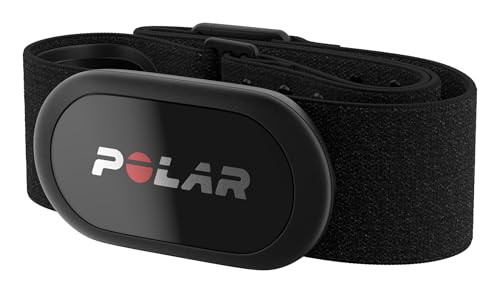
- Highly accurate heart rate measurement
- Bluetooth, ANT+, and 5 kHz connectivity
- Waterproof with internal memory
Best For: Cyclists wanting accuracy and broad compatibility
Best Garmin Value

- Real-time heart rate and HRV data
- Up to one year of battery life
- Machine-washable strap with 3 ATM rating
Best For: Garmin users wanting simple, durable monitoring
Best Rechargeable Option
Wahoo TRACKR Heart Rate Monitor

- ANT+ and Bluetooth connectivity
- Over 100 hours of active battery life
- LED status indicators and secure strap
Best For: App-focused cyclists who prefer rechargeable power
Best for Data-Driven Athletes

- Real-time heart rate and HRV data
- Records workouts without a watch
- Rechargeable battery lasts up to two months
Best For: Multisport athletes wanting deeper Garmin data
Best Bluetooth Armband

- Soft, breathable armband design
- Bluetooth pairing with up to three devices
- 38-hour battery with wear detection
Best For: Cyclists using Bluetooth-compatible devices who prefer an armband
Best Long-Battery Chest Strap
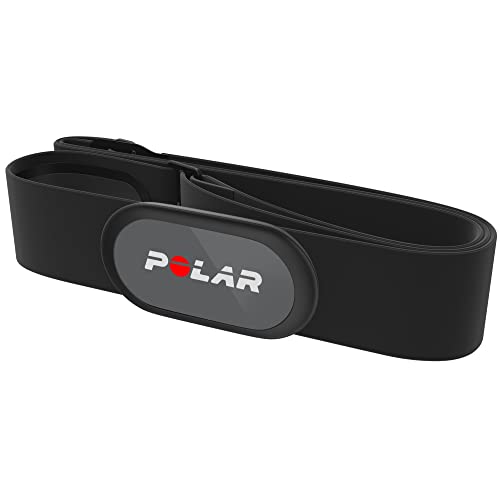
- High-accuracy Polar heart rate sensing
- Up to 400 hours of battery life
- Works with HRM-compatible equipment and phone apps
Best For: Cyclists wanting a traditional strap with extended battery life
Best ANT+ and Bluetooth Armband

- ANT+ and Bluetooth Smart connectivity
- Wearable on forearm, bicep, or tricep
- IP68 waterproof design with 24-hour battery
Best For: Cyclists needing flexible connectivity without a chest strap
Balanced Training Pick

- Bluetooth and ANT+ connectivity
- Adjustable strap with IP67 resistance
- Up to 300 hours of battery life
Best For: Versatile indoor and outdoor cycling training
Long-Battery Choice
GEOID HS500 Heart Rate Monitor

- 800-hour rated battery life
- Replaceable CR2032 battery
- ANT+ and Bluetooth compatibility
Best For: Frequent riders using multiple training devices
Connected Cycling Value
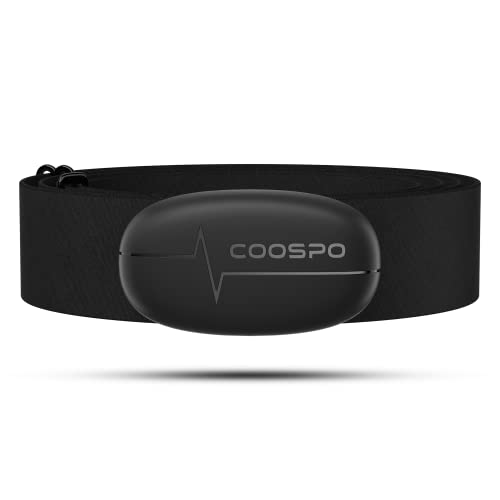
- Bluetooth 4.0 and ANT+ support
- Works with cycling apps and bike computers
- IP67 protection and 300-hour battery
Best For: Cyclists using varied apps and compatible devices
Most Accurate Pick – Polar H10
The Polar H10 is a strong choice if you want a highly accurate heart rate monitor for cycling with broad device compatibility. It supports Bluetooth, ANT+, and 5 kHz connections, including simultaneous Bluetooth and ANT+ use.
Best For: Cyclists prioritizing measurement accuracy, flexible connectivity, and waterproof use.
Pros:
- Recognized for top-level heart rate measurement precision.
- Works with compatible equipment through Bluetooth, ANT+, and 5 kHz connections.
- Waterproof and equipped with internal memory for multiple hours of data.
- Comfort-focused Pro chest strap includes improved electrodes, silicone dots, and an easy-use buckle.
Cons:
- Uses a replaceable CR2025 coin-cell battery rather than a rechargeable battery.
- The listed M-XXL size may not suit every rider.
With approximately 400 hours of battery life and multiple connection options, the Polar H10 is a versatile chest strap for structured cycling workouts and mixed-device setups.
Best Garmin Value – Garmin HRM 200
The Garmin HRM 200 is a practical heart rate monitor for cycling when you want real-time heart rate and heart rate variability data sent to Garmin cycling computers, watches, apps, or fitness equipment.
Best For: Garmin users seeking a durable, easy-care chest strap with long battery life.
Pros:
- Transmits real-time heart rate and HRV data to compatible devices.
- Available in two strap sizes for a more tailored fit.
- Offers up to one year of battery life with a user-replaceable battery.
- Machine-washable strap and 3 ATM water rating support regular training use.
Cons:
- Compatibility is centered on compatible Garmin devices, apps, and equipment.
- Uses a replaceable battery instead of a rechargeable one.
The HRM 200 focuses on dependable core metrics and low-maintenance ownership, making it a sensible option for cyclists already using Garmin’s ecosystem.
Best Rechargeable Option – Wahoo TRACKR Heart Rate Monitor
The Wahoo TRACKR is a convenient heart rate monitor for cycling that combines ANT+ and Bluetooth connectivity with a rechargeable battery. It can connect to smartphones, fitness equipment, training apps, and compatible accessories.
Best For: Cyclists who prefer rechargeable power and straightforward connections to training apps.
Pros:
- Provides real-time heart rate data for training and performance tracking.
- Supports both ANT+ and Bluetooth connections.
- Rechargeable battery provides more than 100 hours of active use.
- LED indicators confirm heart rate detection, battery status, and device connection.
Cons:
- Supplied notes list a one-size strap, offering less sizing flexibility.
- The listed compatible-device details specifically identify smartphones, so other integrations should be verified before purchase.
A slim, secure strap and rechargeable design make the TRACKR appealing for riders who train frequently and want to avoid routine coin-cell replacement.
Best for Data-Driven Athletes – Garmin HRM 600
The Garmin HRM 600 is an advanced heart rate monitor for cycling and multisport training. It sends real-time heart rate and HRV data to compatible Garmin devices and apps, while also recording workouts when wearing a watch is impractical.
Best For: Data-driven athletes who want workout recording, Garmin Connect syncing, and expanded training metrics.
Pros:
- Captures real-time heart rate and HRV data for compatible Garmin equipment and apps.
- Records workouts and syncs heart rate, calories, speed, distance, and more to Garmin Connect.
- Stores heart rate data during swim activities for later syncing.
- Machine-washable strap and rechargeable battery support regular training.
Cons:
- Rechargeable battery lasts up to two months, less than some replaceable-battery models.
- Several advanced features require compatible Garmin devices or smartwatches.
- The listed M-XL size may not fit every athlete.
For cyclists building a broader training-data record, the HRM 600 offers more than live heart rate broadcasting by adding onboard workout recording and Garmin Connect synchronization.
Best Bluetooth Armband – COROS Heart Rate Monitor
The COROS Heart Rate Monitor is a comfortable armband option for cyclists who want a heart rate monitor for cycling without the feel of a chest strap. It connects by Bluetooth to up to three compatible devices at once, including bike computers, indoor trainers, phones, and apps.
Best For: Cyclists who prefer a soft, breathable armband and use Bluetooth-compatible cycling devices.
Pros:
- Comfortable fabric band lays flat around the arm and is easy to adjust.
- Pairs with up to three devices simultaneously via Bluetooth.
- Offers up to 38 hours of operation and automatic wear detection.
- Removable sensor makes the band quick to clean.
Cons:
- Bluetooth only; it is not compatible with ANT+ devices.
- Designed for sports and activities rather than daily heart rate tracking.
- USB charging cable is included, but a Type-C adapter is not.
Choose this model if comfort, quick cleaning, and multi-device Bluetooth pairing matter more to you than ANT+ compatibility.
Best Long-Battery Chest Strap – Polar H9 Heart Rate Sensor
Polar H9 Heart Rate Sensor – ANT + / Bluetooth - Waterproof HR Monitor with Soft Chest Strap, M-XXL
Check Price On AmazonThe Polar H9 is a straightforward chest-strap heart rate monitor for cycling, combining Polar’s high-accuracy sensors with broad compatibility. It connects with HRM-compatible equipment and popular smartphone apps for workout tracking.
Best For: Cyclists seeking a conventional chest strap with long battery life and compatibility with phones, tablets, and other HRM-compatible equipment.
Pros:
- Uses high-accuracy sensors based on Polar’s long-standing HR tracking development.
- Works with HRM-compatible equipment and smartphone apps.
- Included CR2025 battery provides an advertised average life of 400 hours.
- Available in XS-S and M-XXL sizing options.
Cons:
- Chest-strap format may feel less comfortable than an armband for some riders.
- Requires the specified CR2025 button cell battery.
- Supplied notes do not identify ANT+ or Bluetooth connectivity details.
The H9 is a practical choice for riders who prioritize a familiar chest-strap fit, broad HRM equipment compatibility, and infrequent battery changes.
Best ANT+ and Bluetooth Armband – Scosche Rhythm+ 2.0
The Scosche Rhythm+ 2.0 is a versatile heart rate monitor for cycling that uses optical sensing and supports both ANT+ and Bluetooth. Its adjustable armband can be worn on the forearm, bicep, or tricep and pairs with compatible watches, cycling equipment, and fitness apps.
Best For: Cyclists who need flexible ANT+ and Bluetooth connectivity in a comfortable alternative to a chest strap.
Pros:
- Supports both ANT+ and Bluetooth Smart connections.
- Adjustable, lightweight band can be worn on the forearm, bicep, or tricep.
- IP68 waterproof construction is suited to sweat, rain, and demanding training.
- Offers up to 24 hours of continuous battery life and HRV mode for RR interval data.
Cons:
- 24-hour battery life is shorter than the Polar H9’s advertised battery life.
- HRV features depend on compatible apps and platforms.
- Includes a one-year warranty rather than the two-year warranty listed for the other options.
This is the strongest fit for riders using a mix of ANT+ and Bluetooth equipment, especially those who want an optical armband with water resistance and flexible placement.
Balanced Training Pick – COOSPO H6M Chest Strap
If you want a dependable heart rate monitor for cycling, the COOSPO H6M combines Bluetooth and ANT+ connectivity with a soft, adjustable chest strap. It can send real-time heart rate data to compatible bike computers, GPS watches, phones, fitness equipment, and apps.
Best For: Cyclists who want a versatile chest strap for indoor rides, outdoor training, interval sessions, and Zone 2 workouts.
Pros:
- Bluetooth and ANT+ support a broad range of compatible devices and apps.
- Adjustable strap is designed for a snug fit during longer sessions.
- IP67 water and dust resistance supports sweaty workouts and rainy rides.
- Rated for up to 300 hours of battery life.
Cons:
- Not intended for swimming or prolonged soaking.
- Requires moistening the strap electrodes before use for proper readings.
- Heart rate data requires a compatible receiving device or app.
The H6M is a practical all-around choice when compatibility matters. Its dual wireless protocols make it suitable for cyclists who switch between a bike computer, phone app, and indoor training equipment.
Long-Battery Choice – GEOID HS500 Heart Rate Monitor
The GEOID HS500 is a heart rate monitor for cycling built around long battery life, dual-protocol connectivity, and a replaceable CR2032 battery. It connects with compatible bike computers, sports watches, phones, fitness equipment, and training apps through ANT+ or Bluetooth.
Best For: Frequent cyclists who want extended battery life and broad compatibility across cycling computers and indoor training platforms.
Pros:
- Up to 800 hours of battery life, with a replaceable CR2032 battery.
- ANT+ and Bluetooth support compatible cycling computers, watches, apps, and equipment.
- IP67 waterproof rating supports exercise in sweaty or rainy conditions.
- LED indicator confirms heart rate and connection activity.
Cons:
- Swimming is not recommended.
- Bluetooth pairing should be completed through the fitness app rather than the phone’s general Bluetooth settings.
- Requires a compatible receiving device or app to display heart rate.
Its standout feature is the 800-hour battery rating, which reduces battery-change frequency for regular riders. The HS500 is especially appealing if you use several ANT+ or Bluetooth training devices.
Connected Cycling Value – COOSPO H6 Chest Strap
The COOSPO H6 offers a straightforward way to add heart rate tracking to cycling workouts. This heart rate monitor for cycling uses Bluetooth 4.0 and ANT+ to connect with compatible bike computers, sports watches, Peloton equipment, and fitness apps.
Best For: Riders seeking broad app, bike computer, sports watch, and gym-equipment compatibility in a basic chest-strap monitor.
Pros:
- Dual Bluetooth and ANT+ transmission supports compatible cycling devices.
- Works with listed apps including Strava, Wahoo Fitness, Polar Beat, and Zwift.
- Supports compatible Garmin, COOSPO, and other GPS bike computers and sports watches.
- IP67 protection and up to 300 hours of battery life suit regular training.
Cons:
- Do not use for swimming or soak the monitor.
- Electrode areas may need extra moisture in dry conditions.
- Sensor should be separated from the strap after each workout.
The H6 is a sensible value-oriented option for cyclists who already use compatible apps or ANT+ equipment. Its main strength is flexible device support, while the setup and care instructions are important for consistent use.
How We Picked the Best Heart Rate Monitor for Cycling
We focused on features that matter during real cycling sessions: heart rate accuracy, secure fit, ANT+ and Bluetooth compatibility, battery life, water resistance, and setup simplicity. We also considered whether each model works with common bike computers, smartwatches, phones, indoor trainers, and platforms such as Zwift or Peloton.
Chest-strap models generally use electrical sensors and are often the best choice for interval training or structured zone work. Optical armbands can be easier to wear and may suit riders who dislike chest straps.
Quick Comparison
| Best For | Recommended Type | What to Prioritize |
|---|---|---|
| Maximum training accuracy | Chest strap | Stable fit, low-latency readings, ANT+ |
| Indoor cycling and apps | Bluetooth or dual-band strap | Broad device compatibility |
| Comfort during long rides | Armband or soft chest strap | Adjustability and low-profile design |
| Frequent outdoor use | Water-resistant sensor | Replaceable or long-lasting battery |
Key Buying Factors for a Heart Rate Monitor for Cycling
Connectivity
ANT+ is useful for bike computers and multiple connected devices, while Bluetooth is convenient for phones, tablets, smart trainers, and fitness apps. Dual-band support offers the most flexibility. Check how many simultaneous connections the monitor supports if you use several devices at once.
Fit and Accuracy
A chest strap should sit securely below the chest muscles without restricting breathing. The sensor contacts need consistent skin contact, especially during sprints. Armbands should remain firmly positioned without becoming tight or slipping as you ride.
Battery Life and Durability
Consider whether the device uses a replaceable coin cell or a rechargeable battery. Water resistance helps with sweat and rain, but ratings vary, so follow the manufacturer’s cleaning and swimming guidance. Rinse removable straps after hard rides to reduce odor and extend their useful life.
App and Equipment Compatibility
Before buying, confirm compatibility with your bike computer, watch, phone, indoor trainer, or training platform. A monitor can broadcast heart rate accurately yet still require a compatible app or connection mode for initial pairing.
Who Should Buy Which Heart Rate Monitor for Cycling?
Choose a premium chest strap if you train by heart-rate zones, perform intervals, or want the most dependable response to rapid effort changes. Choose a midrange dual-protocol strap if you need reliable ANT+ and Bluetooth connections across indoor and outdoor equipment. Choose an armband if comfort, easy placement, or avoiding a chest strap matters more than maximum responsiveness. Choose a budget monitor if you mainly need basic heart-rate broadcasting for occasional rides and your devices support its connection standards.