Finding the best heart rate monitor for seniors means balancing readable displays, dependable measurements, simple controls, and useful health features. The right choice may be a smartwatch, a dedicated ECG device, or a straightforward fingertip monitor.
We compared 10 options across ease of use, monitoring capabilities, comfort, connectivity, and practical value to help families and older adults choose with confidence.
Best 10 Heart Rate Monitor for Seniors Picks for 2026
Best Smartwatch Value
24/7 Heart Rate Fitness Tracker

- Tracks heart rate, blood oxygen, blood pressure, and sleep
- 1.58-inch display with touch controls and always-on clock
- 120-plus sports modes plus calls, messages, and reminders
Best For: Seniors wanting broad wellness and activity tracking in a smartwatch
Best for Rhythm Checks
KardiaMobile 1-Lead EKG Monitor

- Provides approximately 30-second heart rhythm results
- Detects normal rhythm, AFib, and arrhythmias
- Compact design with no subscription or Wi-Fi required
Best For: Seniors seeking occasional smartphone-based rhythm checks
Best No-Phone Option
Simple Heart Rate Fitness Watch

- Basic use does not require an app or smartphone
- Tracks heart rate, sleep, steps, calories, and distance
- Five to seven days of battery use with IP68 water resistance
Best For: Seniors wanting simple daily tracking with minimal setup
Best Fingertip Reader
Innovo Deluxe iP900AP Pulse Oximeter

- Measures pulse rate and blood oxygen at the fingertip
- Includes plethysmograph and perfusion index
- Audible alarm, adjustable brightness, batteries, and lanyard included
Best For: Seniors wanting a dedicated home pulse and SpO2 reader
Easy-Use Pick
Senior-Friendly Pedometer Watch

- Tracks heart rate, SpO2, steps, sleep, and workouts
- Works for basic use without a phone or app
- Up to 7 days of battery life with IP68 water resistance
Best For: Simple daily tracking without phone dependence
Workout Tracking Pick
COROS Heart Rate Monitor Armband

- Designed for heart-rate monitoring during sports and activities
- Comfortable, breathable armband with wear detection
- Connects by Bluetooth to up to three devices
Best For: Workout-focused users who prefer an armband
Spot-Check Pick
Zacurate 500 Series Pulse Oximeter

- Checks SpO2, pulse rate, and pulse strength
- Large LED display provides readings in about 10 seconds
- Includes batteries, silicone cover, lanyard, and one-year warranty
Best For: Occasional fingertip pulse and oxygen checks
Best Everyday Value
AMOLED Heart Rate Fitness Tracker

- 1.10-inch AMOLED touchscreen
- 24/7 heart-rate and sleep tracking
- Up to 7 days of battery life
Best For: Everyday wellness and activity tracking
Best for Detailed Tracking
MorePro 120+ Sport Fitness Tracker
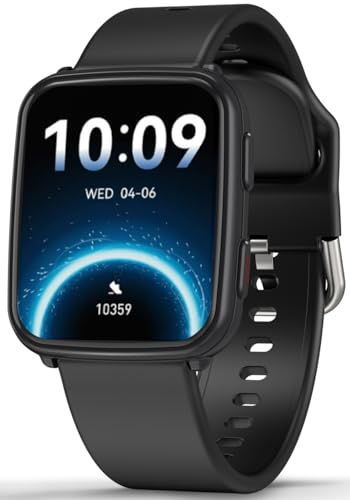
- 24/7 heart rate and blood pressure monitoring
- On-demand blood oxygen checks
- 120+ sport modes and sleep tracking
Best For: Broad fitness and wellness tracking
Best for Water Resistance
Zeacool 5 ATM Health Smart Watch

- 5 ATM waterproof design
- Heart rate, oxygen, blood pressure, and sleep tracking
- Up to 10–14 days of regular-use battery
Best For: Wet-weather and active daily wear
Best Smartwatch Value – 24/7 Heart Rate Fitness Tracker
For shoppers seeking a heart rate monitor for seniors that also supports everyday activity tracking, this smartwatch combines 24/7 heart rate monitoring with blood oxygen, blood pressure, sleep, steps, and calorie tracking. Its 1.58-inch high-resolution display, touch controls, and side button make key information easy to access, while the app stores health records for review.
Best For: Seniors who want a versatile smartwatch with health metrics, reminders, notifications, and exercise tracking.
Pros:
- Tracks heart rate, blood oxygen, blood pressure, sleep stages, steps, distance, and calories.
- Large 1.58-inch display with touch controls, side button, and always-on clock option.
- Includes 120-plus exercise modes, call and message notifications, alarms, weather, and find-phone features.
- IP68 water resistance, replaceable washable strap, and compatibility with Android and iPhone smartphones.
Cons:
- GPS route tracking requires connection to a smartphone’s GPS.
- Health readings are presented as tracking metrics rather than a substitute for professional medical monitoring.
This is a feature-rich choice for seniors comfortable with a smartwatch interface and smartphone app. It offers broad wellness tracking, though buyers wanting a dedicated clinical-style rhythm check may prefer a specialized device.
Best for Rhythm Checks – KardiaMobile 1-Lead EKG Monitor
KardiaMobile is a compact option for shoppers comparing a heart rate monitor for seniors with a focus on heart rhythm. Place fingers or thumbs on its silver sensors near a smartphone to receive a result in about 30 seconds, including indications for normal rhythm, AFib, and arrhythmias.
Best For: Seniors who want a simple, portable personal EKG device for occasional rhythm checks using a compatible smartphone.
Pros:
- Provides a 30-second result for heart rhythm checks.
- Designed to detect normal rhythm, AFib, and arrhythmias.
- Compact, lightweight design with a battery lasting up to 12 months.
- Does not require a subscription, Wi-Fi, Bluetooth, cords, or a computer.
Cons:
- Requires a compatible smartphone for use and viewing results.
- Measures heart rhythm rather than providing continuous, all-day smartwatch-style tracking.
- It is a personal monitoring device and should not replace medical advice.
For seniors primarily concerned with intermittent rhythm checks, KardiaMobile is more focused than a general fitness tracker. Its straightforward finger-contact operation and rapid results make it a practical option, provided smartphone use is comfortable.
Best No-Phone Option – Simple Heart Rate Fitness Watch
This tracker suits seniors looking for a heart rate monitor for seniors without depending on an app or phone during everyday use. It automatically monitors heart rate throughout the day, tracks sleep and basic activity, and works like a regular watch while adding reminders and workout modes.
Best For: Seniors who prioritize simple operation and want basic heart rate, sleep, step, and activity tracking without a required smartphone connection.
Pros:
- Does not require an app or phone for basic tracker use.
- Automatically monitors heart rate and tracks sleep, steps, calories, distance, and active time.
- Offers nine sport modes plus an alarm, stopwatch, breathing guide, and sedentary alert.
- Provides five to seven days of use after charging and has an IP68 waterproof rating.
Cons:
- Phone connection is still needed for some features, including app-based settings and notifications.
- It cannot make calls or send texts.
- Offers fewer sport modes and health features than the more advanced smartwatch in this roundup.
This is a sensible choice for seniors who want fewer setup demands and a familiar watch format. It keeps core tracking accessible without a phone, while optional smartphone connectivity adds notifications and progress settings.
Best Fingertip Reader – Innovo Deluxe iP900AP Pulse Oximeter
For a more focused heart rate monitor for seniors, the Innovo iP900AP measures pulse rate and blood oxygen saturation at the fingertip. Its plethysmograph and perfusion index can help users assess the quality of a reading, while the adjustable display, auditory alarm, and included batteries support convenient home use.
Best For: Seniors who want a dedicated fingertip pulse and blood oxygen monitor for home, travel, or post-exercise checks.
Pros:
- Measures pulse rate and SpO2 with a stated measurement accuracy of plus or minus 2 percent.
- Includes a plethysmograph and perfusion index to support reading assessment.
- Features an auditory alarm, pulse detection beeps, and adjustable display brightness.
- Ready to use with two included AAA batteries and a lanyard.
Cons:
- Measures pulse and oxygen saturation but does not provide continuous smartwatch-style heart rate tracking.
- Requires users to remain still during measurement for best results.
- Its listed SpO2 measuring range is 70% to 100%.
This dedicated reader is a practical choice when quick fingertip measurements matter more than notifications or exercise features. The audible alerts and brightness adjustment may be especially useful for home monitoring, while users should follow medical guidance when interpreting readings.
Easy-Use Pick – Senior-Friendly Pedometer Watch
For shoppers seeking a heart rate monitor for seniors, this watch offers a straightforward option that works for basic tracking without requiring a phone or app. It displays heart rate and SpO2, counts steps, tracks sleep, and stores up to seven days of activity data locally.
Best For: Seniors and other users who want simple, phone-free daily activity and heart-rate tracking.
Pros:
- Works without a phone or app for basic functions, including heart-rate and SpO2 viewing.
- Tracks steps, sleep, workouts, distance, calories, and duration.
- Offers up to seven days of battery life and IP68 water resistance.
- Stores activity data locally for up to seven days.
Cons:
- Long-term history requires pairing with the compatible app.
- GPS functionality is provided through a smartphone rather than built in.
This is a practical choice when ease of use matters more than advanced smartwatch features. Its larger 1.83-inch screen, local storage, and phone-free basics make it especially approachable for everyday monitoring.
Workout Tracking Pick – COROS Heart Rate Monitor Armband
This COROS armband is a focused heart rate monitor for seniors who exercise and want workout data from a comfortable wearable sensor. It connects by Bluetooth to compatible watches, phones, apps, treadmills, and other equipment, but it is designed for sports and activities rather than daily heart-rate tracking.
Best For: Active users who want comfortable, workout-focused heart-rate monitoring with Bluetooth connectivity.
Pros:
- Soft, breathable armband design provides an alternative to a chest strap.
- Can connect simultaneously with up to three compatible devices.
- Wear detection automatically powers the monitor on and off when worn.
- Provides up to 38 hours of operation or 80 days of standby time.
Cons:
- Not intended for collecting daily heart-rate data.
- Bluetooth only; it is not compatible with ANT+.
- The listed large band fits arm sizes from 9.4 to 16.9 inches.
Choose this model when exercise monitoring is the priority. Its flexible fit, quick-cleaning removable sensor, and multi-device Bluetooth support are useful during structured workouts, but it is not the right match for all-day tracking.
Spot-Check Pick – Zacurate 500 Series Pulse Oximeter
For shoppers comparing a heart rate monitor for seniors, this fingertip pulse oximeter provides quick spot checks of pulse rate and blood oxygen saturation. Its large LED display shows readings in about 10 seconds, and the included batteries make it ready to use out of the box.
Best For: Users who want a compact device for occasional fingertip checks of pulse and SpO2.
Pros:
- Displays SpO2, pulse rate, and pulse strength on a large LED screen.
- Includes two AAA batteries, a silicone protective cover, and a lanyard.
- Accommodates a wide range of finger sizes for users ages 12 and above.
- Provides readings in approximately 10 seconds.
Cons:
- It is a fingertip spot-check device rather than a continuous wearable monitor.
- Its stated measurement ranges are SpO2 of 70–100% and pulse rate of 30–250 BPM.
This model is best kept handy for brief readings rather than ongoing activity tracking. The straightforward display, compact size, included accessories, and one-year warranty make it a convenient basic option.
Best Everyday Value – AMOLED Heart Rate Fitness Tracker
For shoppers seeking a practical heart rate monitor for seniors, this fitness tracker combines a readable 1.10-inch AMOLED touchscreen with continuous heart-rate tracking, activity data, and sleep monitoring. Its reminders and up-to-seven-day battery life make it suitable for everyday wear, though the health readings are intended for reference rather than medical use.
Best For: Older adults who want basic heart-rate, step, sleep, and notification tracking in a compact smartwatch.
Pros:
- 1.10-inch AMOLED display with clear call and message notifications.
- Tracks heart rate continuously, along with steps, calories, distance, and sleep stages.
- Offers 25 sports modes, IP68 water resistance, and up to seven days of battery life.
Cons:
- Health measurements are for reference and do not replace a doctor’s advice.
- Requires the Keep Health app and a compatible Android or iOS smartphone.
- No warranty is listed in the supplied product details.
This is a straightforward option when ease of daily activity tracking matters more than advanced smartwatch features. The AMOLED display, reminders, and long battery life add convenience for routine use.
Best for Detailed Tracking – MorePro 120+ Sport Fitness Tracker
This MorePro model is a versatile heart rate monitor for seniors who also want blood oxygen checks, blood pressure monitoring, sleep stages, and extensive exercise tracking. It provides call and message notifications plus practical reminders, but its health features are described as non-medical references.
Best For: Active users who want broad fitness tracking, on-demand blood oxygen readings, and everyday smartphone notifications.
Pros:
- Provides 24/7 heart-rate and blood pressure monitoring plus on-demand blood oxygen checks.
- Supports more than 120 sport modes and tracks steps, distance, calories, and training time.
- Includes sleep tracking, IP68 water resistance, reminders, and up to seven days of normal-use battery life.
Cons:
- The product notes state that the health features are not for medical use.
- Compatibility requires Android 7.0 or later or iOS 13.0 or later; PCs and tablets are not supported.
- The supplied details do not identify a display size or warranty.
MorePro stands out for users who want the widest selection of exercise modes and several health-related measurements in one device. It is a feature-rich lifestyle tracker, not a substitute for clinical monitoring.
Best for Water Resistance – Zeacool 5 ATM Health Smart Watch
For seniors looking for a heart rate monitor for seniors that can handle wet conditions, the Zeacool tracker offers continuous heart-rate tracking alongside blood oxygen, blood pressure, temperature, and sleep data. Its 5 ATM rating and reported 10-to-14-day regular-use battery life make it convenient for active daily wear.
Best For: Users who prioritize stronger water resistance, extended battery life, and a broad set of wellness tracking features.
Pros:
- Tracks heart rate, blood oxygen, blood pressure, temperature, and sleep stages.
- 5 ATM water resistance is designed for swimming, bathing, rain, and hand-washing.
- Offers 25 sport modes and up to 10–14 days of regular-use battery life.
Cons:
- The health readings are presented as wellness information rather than clinical measurements.
- Its 1.10-inch screen may be less suitable for shoppers wanting a larger display.
- Requires a compatible iPhone or Android smartphone for app-based data review.
The Zeacool is a strong practical choice for users who dislike frequent charging or expect regular exposure to water. Its longer battery estimate and 5 ATM rating distinguish it from the other options here.
How We Picked the Best Heart Rate Monitor for Seniors
We evaluated these products for the features that matter most in everyday senior use: measurement clarity, ease of setup, display readability, comfort, battery expectations, and whether a phone or app is required. We also considered the type of information each device provides. A pulse oximeter, for example, measures oxygen saturation and pulse, while an ECG monitor is designed to record electrical heart activity.
Health-monitoring products are not substitutes for professional diagnosis. Readings that are unusual, persistent, or accompanied by symptoms should be discussed with a healthcare professional.
Quick Comparison
| Type | Best for | Phone required? | Notable strengths |
|---|---|---|---|
| Smartwatch or fitness tracker | Daily wellness tracking | Usually for full features | Heart rate, steps, sleep, and activity data |
| Portable ECG monitor | Recording heart rhythm events | Often required | Purpose-built electrical heart readings |
| Fingertip pulse oximeter | Occasional spot checks | No | Compact, simple, and quick to use |
| Pedometer watch | Basic movement goals | No | Easy controls and minimal setup |
| Chest or wearable heart-rate sensor | Exercise monitoring | Depends on device | Designed for active-use heart-rate tracking |
Key Buying Factors for a Heart Rate Monitor for Seniors
Readability and Controls
Look for large numbers, high contrast, clear labels, and buttons that are easy to press. A touchscreen can be convenient, but physical controls may be better for users who prefer tactile feedback.
Measurement Type
Choose according to the intended use. Fitness trackers estimate heart rate during daily activity, pulse oximeters provide spot readings of pulse and blood oxygen, and ECG devices capture more specialized heart-rhythm information. These categories should not be treated as interchangeable.
Connectivity and Setup
Some trackers work independently, while others need a smartphone app for history, alerts, settings, or data sharing. A no-phone device can be the better option for someone who wants immediate readings without accounts, pairing, or charging a phone.
Comfort, Battery, and Durability
For continuous monitoring, prioritize a comfortable band, sensible charging routine, and water resistance suited to the wearer’s habits. For occasional checks, a small fingertip unit may be more practical than a watch.
Who Should Buy Which Heart Rate Monitor for Seniors?
- Choose a smartwatch or fitness tracker for daily heart-rate trends combined with steps, sleep, activity, and general wellness information.
- Choose a portable ECG monitor when a clinician has recommended rhythm recordings or when documenting occasional heart-rhythm events is the main priority.
- Choose a fingertip pulse oximeter for quick, occasional pulse and blood-oxygen checks without wearing a device all day.
- Choose a senior-friendly pedometer watch for simple step counting and basic activity motivation with minimal technology.
- Choose a dedicated exercise heart-rate sensor for users who want focused readings during workouts and are comfortable with wearable pairing or sport-focused controls.
The best Heart Rate Monitor for Seniors is the one the user can wear or operate consistently. Prioritize simplicity and appropriate measurements over a long feature list, and confirm any health concerns with a qualified medical professional.