A raised doorway threshold can make everyday movement harder for wheelchair users, scooter riders, people using walkers, and anyone pushing equipment over a door sill. The right ramp creates a smoother transition without requiring a permanent renovation.
These 10 threshold ramps for doors cover common rise heights from 1 to 4 inches, with options for indoor and outdoor use, heavy loads, non-slip traction, and built-in cord channels. Use the guide below to match the ramp to your threshold, mobility device, and installation needs.
Best 10 Threshold Ramps for Doors Picks for 2026
Best Cut-to-Fit Rubber Ramp

- 2,000-lb load capacity
- 35.5-inch width can be trimmed
- Grooved surface with adhesive strips
Best For: Low door thresholds requiring a customizable width
Best Modular Heavy-Duty Set
1-Inch Modular Threshold Ramps
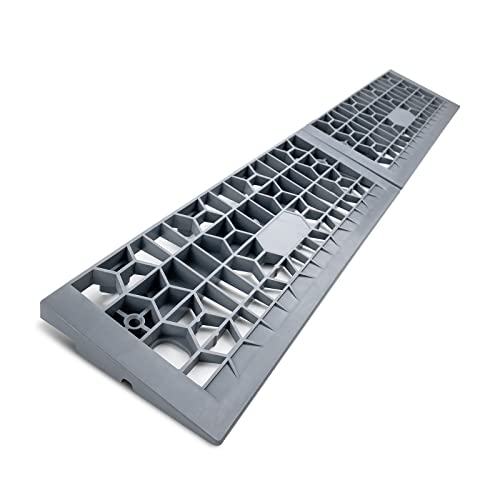
- Two modular pieces
- 3,000-lb load capacity
- Adhesive or bolt-hole installation
Best For: Flexible indoor or vehicle access over 1-inch rises
Best for High Thresholds
VEVOR 3-Inch Rubber Threshold Ramp

- Designed for 3-inch rises
- Wide, beveled one-piece design
- Grooved rubber surface
Best For: Wheelchairs, scooters, and cars crossing taller thresholds
Best Dual-Wheel Modular Ramp

- Two 17-inch modular pieces
- Waterproof, textured TPR surface
- 2,000-lb reinforced support
Best For: Dual-wheel access across low indoor or outdoor thresholds
Best Lightweight Rubber Pick
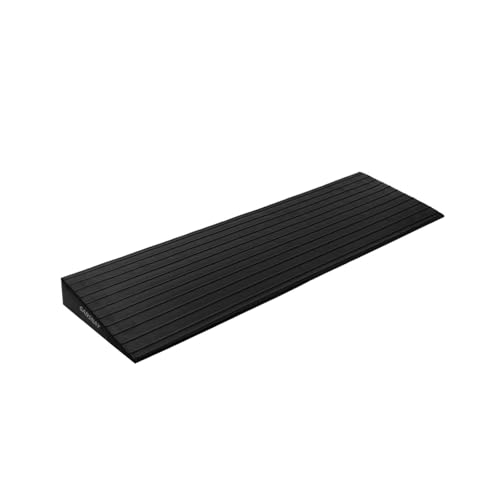
- Lightweight, cuttable rubber construction
- Grooved non-slip surface for indoor or outdoor use
- Supports up to 1,102 pounds per supplied notes
Best For: Low door sills, wheelchairs, walkers, pets, and robot cleaners
Best Heavy-Duty Cuttable Pick

- 35.4-inch width can be cut to size
- Anti-slip surface with included double-sided tape
- 33,069-pound stated load capacity
Best For: Wide thresholds, smooth tile, garages, carts, and high-traffic use
Heavy-Duty Cable-Ready Pick
2.5-Inch Rubber Threshold Ramp

- 2,200-pound load capacity
- Three channels for cords, cables, or hoses
- Wide, no-slip design for indoor or outdoor use
Best For: Wide doorways, garages, driveways, mobility devices, and pets
Compact Adjustable Pick

- Lower 1.5-inch rise for modest thresholds
- Cuttable and adjustable design
- Anti-slip grooves provide drainage paths
Best For: Lower doorways, tighter spaces, strollers, walkers, and pets
Tallest Rise Pick
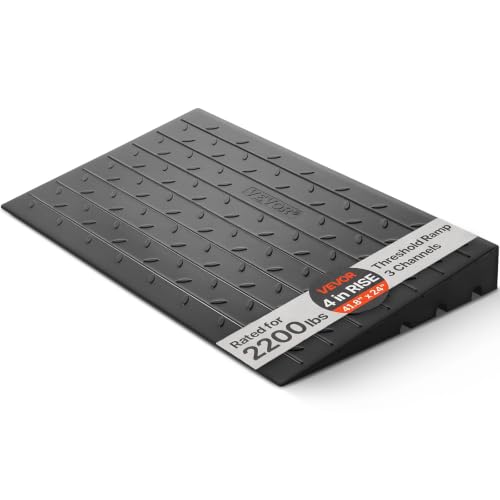
- Designed for 4-inch height transitions
- 2,200-pound capacity with a wide platform
- Three cable channels and heavy, stable construction
Best For: Higher thresholds, curbs, garage entrances, and assisted access
Best Cut-to-Fit Rubber Ramp – 1-Inch Rubber Threshold Ramp
If you need threshold ramps for doors that can adapt to different entry widths, this 1-inch rubber model offers a practical, low-profile transition. Its 35.5-inch width can be trimmed, while the grooved surface and included adhesive strips support steadier everyday access.
Best For: Wheelchairs, power chairs, scooters, carts, bicycles, and robot vacuums crossing 1-inch thresholds at home, in garages, or in workshops.
Pros:
- Supports up to 2,000 pounds.
- Wide, cut-to-fit design can be trimmed or placed side by side.
- Deep grooves provide traction in wet or dry conditions.
- Adhesive strips help reduce shifting on clean, dry, smooth surfaces.
Cons:
- May have a mild rubber odor or slight curve after packaging.
- Adhesive placement is best suited to clean, dry, smooth surfaces.
This is a flexible choice for low thresholds when you want broad coverage and installation flexibility. Measure the threshold height first, then trim the ramp or combine units if needed.
Best Modular Heavy-Duty Set – 1-Inch Modular Threshold Ramps
These threshold ramps for doors use two modular pieces that can be arranged to suit different openings and low steps. The solid construction, non-slip tread, and two installation options make the set useful for both indoor access and heavier-duty transitions.
Best For: Wheelchairs, scooters, and vehicles needing adaptable 1-inch threshold access in homes and other entry areas.
Pros:
- Two-piece design can be disassembled, repositioned, or joined for different applications.
- Rated for loads up to 3,000 pounds.
- Non-slip tread pattern helps reduce slipping.
- Can be secured with adhesive or through bolt holes.
Cons:
- Bolts are not included.
- Its plastic construction may feel less flexible than rubber alternatives.
Choose this set when modular placement matters more than a single-piece layout. Its high stated capacity and optional bolt installation are useful for demanding access points, but plan separately for hardware if bolting it down.
Best for High Thresholds – VEVOR 3-Inch Rubber Threshold Ramp
For higher obstacles, this VEVOR model is one of the more substantial threshold ramps for doors in the group. Its 3-inch rise, beveled edges, wide passage, and grooved rubber surface create a gradual transition for mobility equipment and vehicles.
Best For: Wheelchairs, scooters, skate equipment, and household cars crossing 3-inch rises at doorways, garages, gardens, or barns.
Pros:
- Beveled edges provide a smoother approach from multiple sides.
- 35.5-inch length and 17.7-inch width accommodate a wide crossing area.
- Grooved rubber surface supports traction.
- One-piece design requires no assembly or tools.
Cons:
- At 29 pounds, it is heavier than the low-rise options.
- Its larger 3-inch profile is not intended for 1-inch thresholds.
- May have a slight rubber smell.
This is the stronger fit when the threshold is too high for a low-profile ramp. Confirm the 3-inch rise and available floor space before ordering, especially for indoor doorways.
Best Dual-Wheel Modular Ramp – 1-Inch Two-Piece TPR Ramps
This two-piece set is designed for low doorways where separate wheel paths or a wider combined surface would be useful. The compact rubber ramps include textured traction, silicone grip pads, and a waterproof design for indoor transitions such as bathrooms and showers.
Best For: Wheelchairs, walkers, scooters, strollers, and carts crossing 1-inch rises in bedrooms, bathrooms, entryways, patios, or garages.
Pros:
- Two 17-inch pieces can be used together, separately, or extended with additional pieces.
- Textured TPR surface and grip pads help improve traction and reduce movement.
- Waterproof design suits bathrooms, showers, patios, and garages.
- Reinforced base supports up to 2,000 pounds.
Cons:
- Each ramp is only 3.7 inches wide, so placement must match the equipment’s wheels.
- Designed for 1-inch rises rather than taller thresholds.
This set is a practical option when a dual-track setup is more convenient than a full-width ramp. Check the 3.7-inch piece width and the threshold height to ensure the layout suits your mobility device.
Best Lightweight Rubber Pick – 2-Inch Rise Threshold Ramp
For low door sills and everyday transitions, this 2-inch rubber option is one of the more portable threshold ramps for doors. Its grooved surface, compact size, and tool-free setup make it practical for indoor and outdoor use.
Best For: Wheelchairs, walkers, scooters, strollers, pets, and robot cleaners navigating 2-inch thresholds.
Pros:
- Lightweight 4.4-pound design supports up to 1,102 pounds according to the supplied notes.
- Non-slip grooves and a smooth, wipe-clean surface suit indoor and outdoor transitions.
- Can be cut with a saw and used across a broad stated temperature range.
- Requires no screws or tape and includes a 5-year warranty.
Cons:
- The 31.5-inch width may not cover every doorway.
- Its 2-inch rise is intended for relatively low thresholds.
- Robot-vacuum compatibility depends on the model’s climbing angle.
This is a flexible choice when portability, easy cleaning, and a low-profile rubber design matter most. Measure the threshold and doorway before ordering, especially if a robot cleaner will use it.
Best Adjustable Aluminum Pick – 3-Inch Entry Threshold Ramp
This aluminum model is a useful option when you need threshold ramps for doors with a higher 3-inch rise. Its wide platform, adjustable top flap, and portable sectional design accommodate mobility devices and general wheeled equipment.
Best For: Wheelchairs, scooters, power chairs, walkers, crutches, bikes, and wheelbarrows crossing higher thresholds.
Pros:
- Supports up to 800 pounds.
- Wide 34-by-17-inch footprint provides a substantial transition surface.
- Adjustable or removable top flap helps accommodate different height needs.
- Lightweight aluminum is described as rust-proof and scratch-proof, with no-tool assembly.
Cons:
- At 9.8 pounds, it is heavier than the listed rubber alternatives.
- The stated actual height is 3.3 inches, so measurements should be checked carefully.
- The metallic design may be less visually subtle than a black rubber ramp.
Choose this ramp when a wider, more structured aluminum surface and height adjustment are priorities. Confirm the threshold height and available floor space before installation.
Best Heavy-Duty Cuttable Pick – 1.6-Inch Natural Rubber Ramp
For broad thresholds and demanding everyday traffic, this VEVOR ramp offers a wide, cuttable rubber platform. Among threshold ramps for doors, it stands out for its high stated load capacity, anti-slip striping, and included double-sided tape for smoother placement on solid floors.
Best For: Wide doorways, smooth tile, garages, driveways, wheelchairs, carts, baby carriages, and sweeping robots.
Pros:
- The supplied notes list a 33,069-pound load capacity.
- 35.4-inch width can be cut to fit different threshold spans.
- Natural rubber is described as wear-resistant, temperature-resistant, and resistant to deformation.
- Anti-slip stripes and included double-sided adhesive help limit movement.
Cons:
- At 13.7 pounds, it is the heaviest product in this selection.
- The supplied notes mention a slight rubber smell initially and recommend ventilation.
- Double-sided tape is intended for smooth floors or tiles, which may limit placement options.
This is a strong fit when you want a wide, customizable ramp with substantial load capacity. Its 1.6-inch rise is relatively low, so verify the threshold measurement and floor surface before cutting or securing it.
Heavy-Duty Cable-Ready Pick – 2.5-Inch Rubber Threshold Ramp
For shoppers comparing threshold ramps for doors, this VEVOR model combines a 2.5-inch rise with a broad, heavy-duty rubber platform. Its raised surface supports traction, while three underside channels help route cords, cables, or hoses across the passage.
Best For: Doorways, garage entrances, driveways, and households needing a wide ramp for wheelchairs, scooters, walkers, or pets.
Pros:
- Supports up to 2,200 pounds.
- Wide 41.8-by-24-inch design with a no-slip raised-button surface.
- Three cable-management channels help protect cords from wheels.
- One-piece construction requires no tools and can be used indoors or outdoors.
Cons:
- Its 42-pound weight may make repositioning less convenient.
- The approximately 5.95-degree incline may require assistance for wheelchair users with severe mobility limitations.
This is a solid choice when stability, width, and cable management matter more than portability. Check the 2.5-inch rise and available approach space before buying.
Compact Adjustable Pick – 1.5-Inch Cuttable Rubber Ramp
If you need threshold ramps for doors with a lower rise, this 1.5-inch rubber option provides a compact transition for mobility equipment, strollers, and pets. Its integrated design arrives ready to use, and the material can be cut or adjusted to suit the installation.
Best For: Lower door thresholds, indoor or outdoor entrances, sheds, steps, and users who want a smaller ramp that is easy to clean.
Pros:
- 1.5-inch rise offers a lower transition than taller models.
- Cuttable and adjustable design can accommodate different spaces.
- Anti-slip grooves also form drainage paths.
- Natural rubber resists compression, deformation, and corrosion, with a stated 10-year warranty.
Cons:
- The 35.4-by-7.87-inch footprint is narrower than the VEVOR wide-platform models.
- It does not include the cable-management channels noted on the other ramps.
Choose this model when matching a modest threshold height and fitting a tighter area are priorities. Its lower rise and adjustable format make it a practical option for everyday transitions.
Tallest Rise Pick – 4-Inch Heavy-Duty Rubber Ramp
Among threshold ramps for doors, this VEVOR model is designed for higher 4-inch transitions at entrances, curbs, and steps. The broad recycled-rubber ramp has a raised no-slip surface, three cord channels, and enough capacity for substantial wheeled equipment.
Best For: Higher door thresholds, porches, garage entrances, curbs, and outdoor areas where a wide, firmly planted ramp is needed.
Pros:
- Handles loads up to 2,200 pounds.
- Large 41.8-by-24-inch platform provides a broad crossing surface.
- Three channels help cover and protect wires, cables, and hoses.
- Heavy 65-pound construction helps resist shifting without tools or assembly.
Cons:
- The 65-pound weight makes it less portable than lighter ramps.
- Its approximately 14-degree incline is steep and requires assistance for wheelchair use.
- Not recommended for people with severe mobility impairments, according to the supplied guidance.
This ramp makes the most sense when the threshold is too high for a lower-rise model and the installation has room for its broad approach. Confirm the height and plan for assisted wheelchair use before purchase.
How We Picked the Best Threshold Ramps for Doors
We compared these ramps by the factors that matter most at a doorway: rise height, usable width, weight capacity, surface traction, material, portability, and installation flexibility. The selection includes rubber ramps for stable everyday use, aluminum designs for a lighter structure, modular options for adjustable setups, and cuttable models for a closer fit.
Because doorway conditions vary, product specifications should be checked against your threshold measurement, available approach space, and the combined weight of the user and mobility device. A ramp that works well for a low interior sill may not be suitable for a taller exterior threshold or powered scooter.
Quick Comparison
- 1-inch ramps: Best for low door lips, small height changes, and compact indoor transitions.
- 1.5- to 2-inch ramps: A versatile range for many residential thresholds and mobility aids.
- 2.5- to 3-inch ramps: Better for taller sills, provided there is enough approach space.
- 4-inch ramps: Designed for substantial thresholds and should be checked carefully for slope and clearance.
- Rubber ramps: Typically offer strong grip, stability, and reduced movement on suitable surfaces.
- Aluminum ramps: Can be lighter and easier to reposition, but may require closer attention to placement and traction.
Key Buying Factors for Threshold Ramps for Doors
Measure the Threshold Height
Measure from the floor or landing surface to the highest point of the sill. Choose a ramp designed for that rise rather than relying on an approximate visual estimate. The ramp should sit flush at the top and remain stable at the bottom.
Check Slope, Width, and Clearance
Confirm that the ramp is wide enough for the wheelchair, scooter, walker, or cart. Taller ramps generally need a longer approach for a manageable slope. Also check whether the open door, frame, or nearby wall limits the usable width.
Match Capacity and Construction
Calculate the total load, including the user, mobility device, and any cargo. High-capacity rubber models can suit heavy power chairs and frequent use, while lighter portable ramps may be preferable when the ramp must be moved often.
Look for Traction and Practical Features
Non-slip surfaces matter especially at exterior doors, garages, and damp entryways. Cord channels can help protect cables and reduce trip hazards, while a cuttable or modular design may make it easier to fit unusual doorway dimensions.
Who Should Buy Which Threshold Ramps for Doors?
Choose a compact 1-inch model for a minor indoor lip or a low-profile transition. For general home access, 1.5- and 2-inch rubber ramps offer a useful balance of height, traction, and load support. If your threshold is taller, consider a 2.5- or 3-inch ramp only after confirming the available approach distance. A 4-inch model is better reserved for substantial rises where its larger profile will not obstruct the doorway.
For users who need a customized fit, a cuttable or modular ramp can be more practical than a fixed-size design. If cords cross the entrance, choose a model with channels, but still route and secure cables so they cannot interfere with wheels. Finally, verify the ramp’s dimensions and capacity before purchase, and test it at low speed after installation to confirm that it remains stable and provides adequate clearance.